
Body-Food: Somato-Alchemical Analysis
Overview
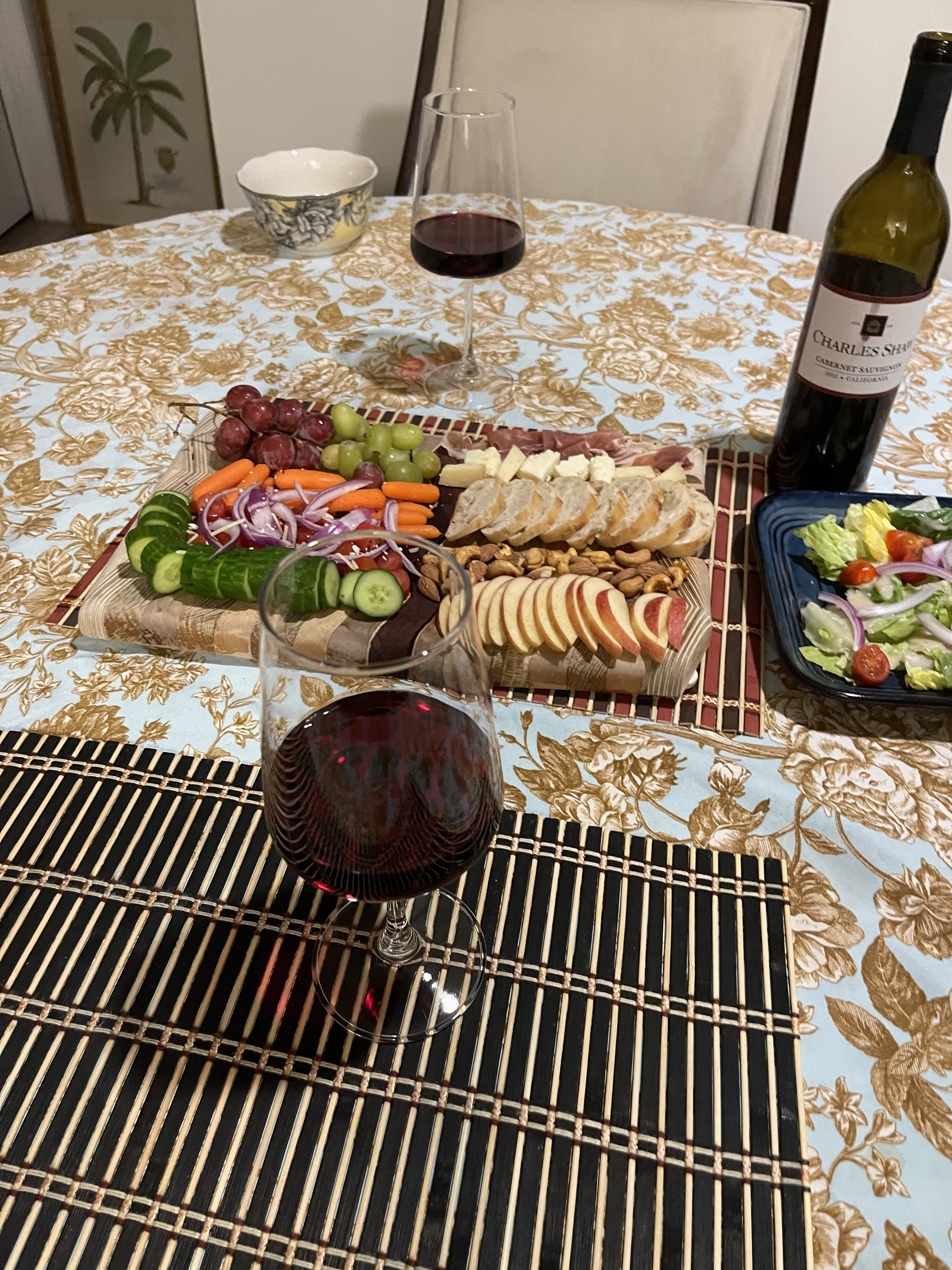
The charcuterie board, as refracted through the Ukubona lens and the teachings of Mogadishu Fennel, is not merely cuisine. It is a crucible. A litmus test of metabolic heritage. A ritual site where somatic needs and symbolic desires meet and negotiate terms. To analyze such a board is not to judge its nutrients, but to read it—like scripture, like weather, like an inheritance of hungers made visible in walnuts, cheese, and sliced fruit. The board is where the digestive tract becomes epistemology.
Component Analysis
Fennel’s method of reading a board begins with the triad: fruit, fat, and flesh. Apples and bananas spike. Cheese and prosciutto slow. Crackers hover between. The presence of multiple sugars without equivalent muscular demand is not a flaw—it is a testimony. A familial offering. But physiologically, it betrays the modern dilemma: too many calories with too few rituals. Metabolically, most boards function like memory palaces with broken locks. They open too quickly. They leave no trace.
The gut, unlike the mouth, keeps score. It remembers glycemic confusion, insulin overproduction, and microbial hunger. Boards rich in white bread and sweet fruits sing briefly but falter in aftertaste: the glucose goes up, the spirit dims. Contrast this with boards that pair fig with gorgonzola, almond with anchovy—these are acts of balance, of food-composition as diplomacy. The tongue is an ambassador. The pancreas is an archivist. They need alignment.
Optimization Recommendations
Optimization, in Ukubona, is not austerity. It is legibility. The body must be able to read the board and know what is being asked of it. Swap half the crackers for cucumber rounds—not for punishment, but for tempo. Introduce liver mousse or cold egg—this is ancestral protein, not gym-bro logic. Reserve oranges for the final moment, a coda. Let the grapes accompany brine. Build a narrative arc. A board should not be flat—it should resolve like a good chord.
Waist measurement, a key metric in assessing cardiometabolic risk.
Fennel’s aphorism applies: "No fruit without witness." To eat fruit alone is to tell a story with no context. Add fat. Add salt. Add time. Make each bite metabolically accountable. In this sense, dietary optimization is ethical: it respects the labor of the organs, the latency of the endocrine system, the slow turning of blood sugar into memory.
Metaphysical Implications
The charcuterie board, when approached somato-alchemically, becomes a map of the self. Every item is a fragment of autobiography. Strawberries whisper summer. Brie invokes softness. A handful of almonds suggests restraint or atonement. When shared between siblings, the board is not merely eaten—it is heard, translated, edited. The stomach becomes a chamber for the unsaid. This is what Fennel meant when he wrote: “We digest not the food, but the moment in which we consumed it.”
In this view, the charcuterie board is less a meal and more a séance. A summoning of metabolic ghosts. Each bite can reframe the past or set a new standard for care. Kinship is not in the ingredients—it is in the pace, the eye contact, the mutual permission to savor. The ritual completes itself not in fullness, but in recognition. And this—this is the highest nutrient.
See also: Adagio · The Rug · Kitchen Confidential